

Poison!
Poison! explores the surprising properties of poisons from the perspectives of science, history, and nature. For the first time ever at Vapriikki, visitors will also get to see live poisonous animals!
Why are there so many poisonous animals and plants in nature? What is poison, and can it also heal? These questions will be answered by the Natural History Museum’s special exhibition Poison!, which opens on February 4, 2027, in Vapriikki’s Main Gallery and brings live animals to Vapriikki for the first time. The exhibition aims to increase understanding of poisonous animals and dispel unfounded fears associated with them.
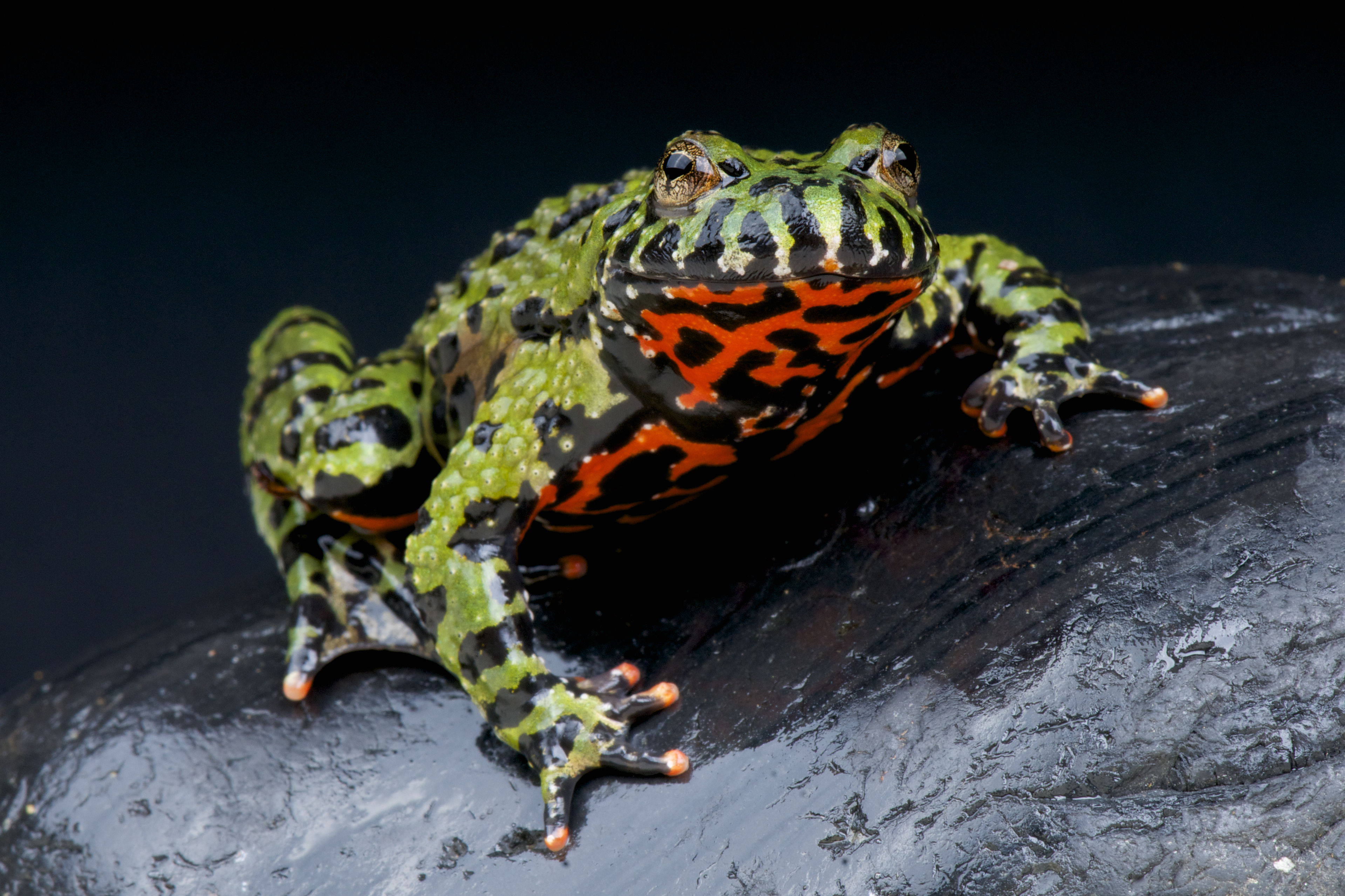
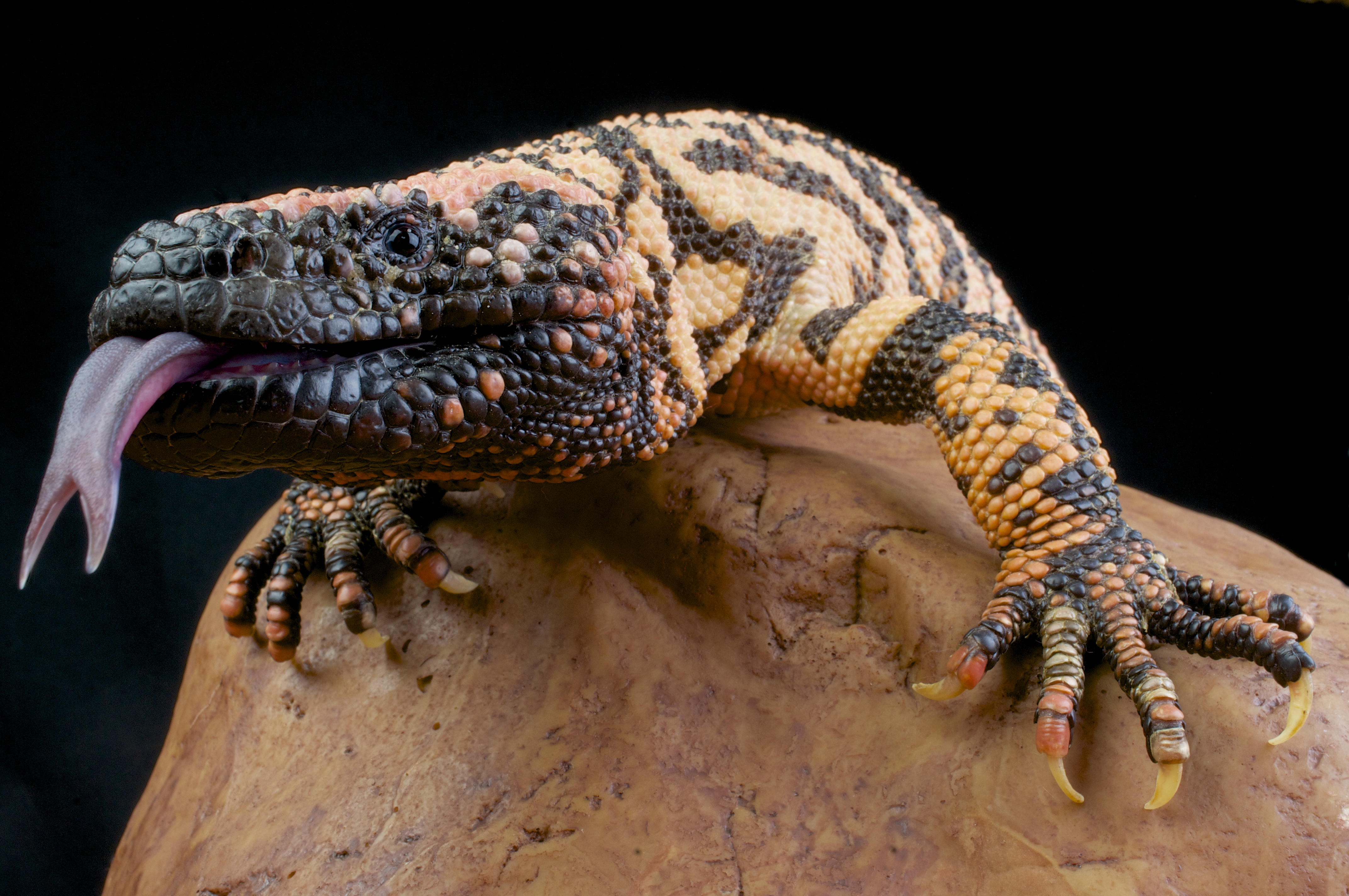
The exhibition introduces visitors to the world’s most venomous animals and their astonishing survival strategies. Nearly 30 animal species will be on display, including the Gabon viper, the rattlesnake, the Gila monster, the black widow spider, and the poison dart frog. The exhibition takes a multidisciplinary approach to natural poisons, examining them from the perspectives of biology, chemistry, and medicine, as well as within the context of human history. It explains how people have utilized poisons throughout history in hunting, traditional beliefs, medicine, and scientific research. In fact, medicines for treating conditions such as diabetes and cancer have been developed from reptile venoms. Poison! challenges visitors to reflect on common misconceptions about venomous animals and their importance to biodiversity.
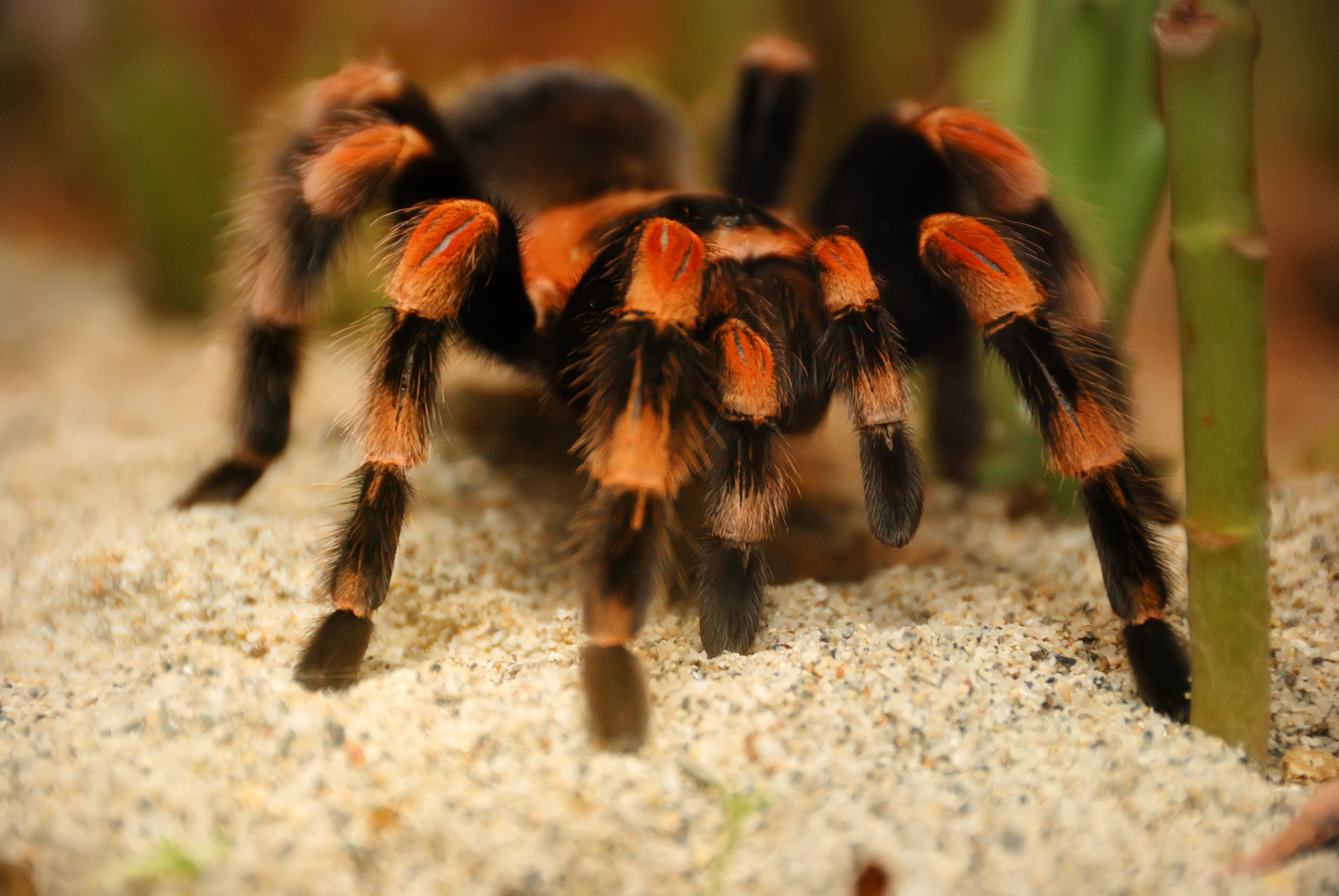
All animals in the exhibition meet the requirements of the international CITES Convention. The animals were born in licensed zoos as part of international breeding programs, and none of them were captured from the wild. Special attention has been paid to the safety of the exhibition and the animals’ well-being. The animal caretakers working at the exhibition are responsible for the animals’ care and well-being throughout the duration of the exhibition.
-
What animals are featured in the exhibition?
– The exhibition features venomous and poisonous animals from around the world, including snakes, lizards, amphibians, arachnids, and insects. Some of the featured species use their toxicity to protect themselves from predators, while others use venom as a tool for hunting.
Why does the exhibition feature live, venomous animals?
– The exhibition allows you to get an up-close and safe look at highly unusual animal species that you may have heard of, but would otherwise find difficult or impossible to see. In the exhibition, you can observe how these species behave when they are thriving and feel unthreatened. Venomous animals are often important keystone species in their natural habitats. They are generally not dangerous to other species, apart from their prey, and rarely show aggression toward humans or each other. By encountering venomous animals at the exhibition, you will get to know them better and learn to appreciate them as a living and valuable part of biodiversity.
Where do the animals in the exhibition come from?
– The animals in the exhibition come from Faunia, a nature park located in Madrid, Spain. Faunia is a zoological institution engaged in scientific research, contributing to species conservation and education as a member of the European Association of Zoos and Aquaria (EAZA).
Were the animals captured from the wild?
– No, none of the animals in the exhibition were captured from the wild. The vast majority of them were bred in captivity, while the rest are rescued animals placed in the zoo following government confiscations (such as illegal importation). Unfortunately, the international trade in venomous animals is widespread, and the true origin of such specimens is often unknown. In such cases, they cannot be returned to the wild. However, at the zoo, they can live a full life under the expert care of professionals.
What is the exhibition about?
– The exhibition explores venomous and poisonous animals and their ways of life—how some species use toxicity as a defense against predators and other threats, or to capture food. As species, they hold the same intrinsic value as other, non-venomous species. Because they are feared, many of these species face unwarranted persecution and misconceptions in their native regions. Many are also targets of the illegal pet trade. This exhibition highlights the value of venomous species to biodiversity. Additionally, you can learn how research into these extraordinary animal species helps cure human diseases.
How is the welfare of the animals ensured?
– The animals come from a strictly regulated zoo that specializes in species conservation and research. There, they are cared for by trained animal care professionals who specialize in reptiles and amphibians (herpetology). They are responsible for the welfare, feeding, health monitoring, and overall care of all the animals. These same keepers are also present at our exhibition here in Vapriikki. The keepers know each animal individually and understand exactly what they need to thrive. When preparing the exhibition, only specimens whose health, life cycle stage, and overall well-being permitted travel were chosen to make the journey. For instance, shedding skin or breeding prevents an animal from traveling. The animals are well-accustomed to the terrariums they inhabit. A terrarium is a safe home for them, as they know they face no threats inside. Each species has environmental conditions tailored to them, including specific temperature, humidity, diet, and light cycles. In the evenings and at night, the exhibition space is kept dark so the animals can rest. On Mondays, when the museum is closed, the animals also enjoy a full day of rest. The animals are also used to traveling and have previously been exhibited in several European countries, including Belgium, Poland, and the Netherlands. Each animal travels in its own dedicated transport container inside a climate-controlled, heated vehicle. We also kindly ask our visitors to respect the animals’ welfare and follow the guidelines provided in the exhibition space.
What if one of the animals gets sick anyway?
– Only animals that are perfectly healthy at the time of departure can be featured in the exhibition. If an animal falls ill during the exhibition, the keepers will move it to a specialized research and care facility to recover, where it will receive medical treatment until it is safe and healthy enough to return to the display.
Is it safe to visit the exhibition?
– Yes. Although the exhibition features venomous and poisonous animals, they are all securely housed in their own terrariums, which feature a sealed, double-showcase structure. Even if a single glass pane or showcase were to break, the animal cannot accidentally escape due to the safety structure inside the showcase. As a precaution, antivenom is available for every venomous species in the exhibition and will remain on-site in Tampere for the entire duration of the event. Furthermore, the animal keepers are present at the exhibition every single day during opening hours.
Can I visit the exhibition if I am allergic to certain animals?
– Yes, you can visit with peace of mind. The exhibition does not feature any fur-bearing animals, meaning there is no risk of exposure to triggering allergens like animal dander.
When are the animals fed?
– The animals are fed regularly according to a schedule suited to their specific needs. You may also get the chance to witness the feeding of certain species during your visit. Feel free to ask the keepers for more details about the animals’ diets.
Do the animals have names or nicknames?
– Most of the animals do not have nicknames, but the king cobra is called Tom.
Am I allowed to take photos of the animals?
– Yes, you are welcome to take photos of the animals, but please turn off your flash, as it can startle some of the species.
Where can I get more information about the animals in the exhibition?
– You can get more information directly from the animal keepers working at the exhibition. The keepers are happy to assist visitors in English, or in Spanish if needed. They will gladly tell you more about the lifestyle, care, and welfare of each species.
Poison! is an exhibition produced in collaboration between the Spanish company Nabau Projects – Grupo Atrox and the Museum Centre Vapriikki.